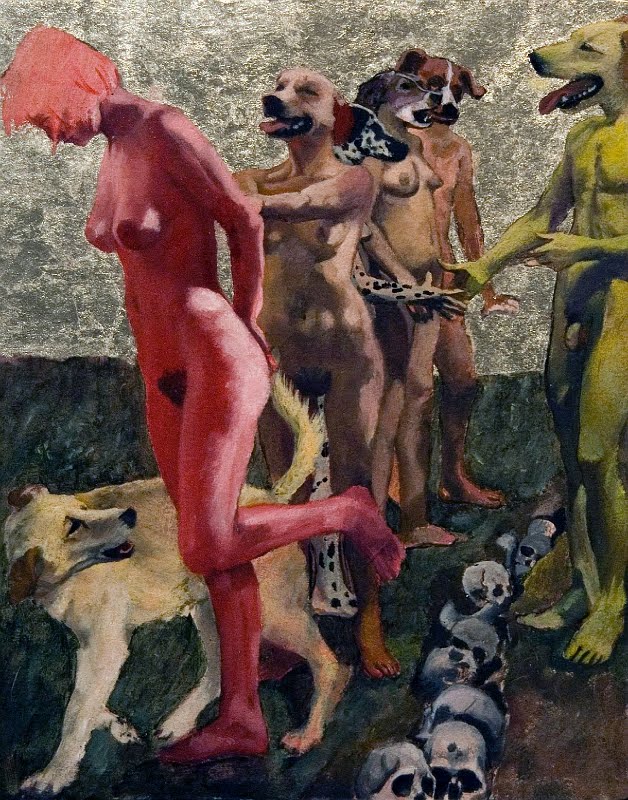
A Review of Slavoj Zizek’s First as Tragedy, Then as Farce
By Michael J. Pyska
Love him or hate him, agree with him or otherwise, it would be hard not to at least acknowledge that Slavoj Zizek makes you think. Zizek’s work, discussed among academics and lay intellectuals alike, often deploys a remarkable talent for dialectical thinking through explosive, sometime infuriating, engagements with received dogma.
Zizek's latest offering, a book called First as Tragedy, Then as Farce (2009), is a sobering analysis of neo-liberal economics and the ideological 'faith' that supports it. Much to the dismay of many elite power-brokers, Zizek's exposition and deconstruction of the policies and philosophy of neo-liberalism leaves no doubt as to the emptiness and pathological ignorance adhered to by its loudest and most powerful proponents.
With eloquence, wit and brief, but insightful, case studies, Zizek identifies two historic turning points that render neo-liberal practice and ideology bankrupt. Zizek convincingly argues that both the World Trade Center attacks of 9/11 and the economic crisis almost exactly seven years later were symptomatic of the definitive collapse of neoliberalism's alleged authority.
Read More: Here

No comments:
Post a Comment